
Articles
How does Homeopathy fit into healthy living?
Many people who choose Homeopathy are interested in other aspects of natural, healthy living.
Homeopathy fits beautifully into this lifestyle as homeopathic medicines are made from natural sources and, based on the principle that “like cures like”, they support the body’s own natural healing mechanisms. Listening in a truly holistic way to understand the underlying origins of symptoms enables the most appropriate homeopathic remedies to be selected, gently yet powerfully supporting the body’s rebalancing back towards health.
Individual, natural and holistic medicine, working with the body’s own intelligence.
Following homeopathy healing, people commonly describe an improvement in physical and mental resilience. For example, after homeopathy for sinus infections, a patient who had these recurrently, no longer has this problem; an older lady with life-long severe anxiety found that she has “a completely different mindset”. Whether it is homeopathy for the menopause or homeopathy for anxiety, after individual and holistic homeopathic remedies the commonest remark I hear is, “I just feel back to myself!”
Creating an environment at home to support health and wellbeing is important too. With good nutrition, ideally from organic food, regular exercise and movement in nature, practicing stress-reduction techniques like yoga or meditation and creating a peaceful place to return to, brings further benefits to health.
Homeopathy complements these healthy lifestyle choices perfectly.
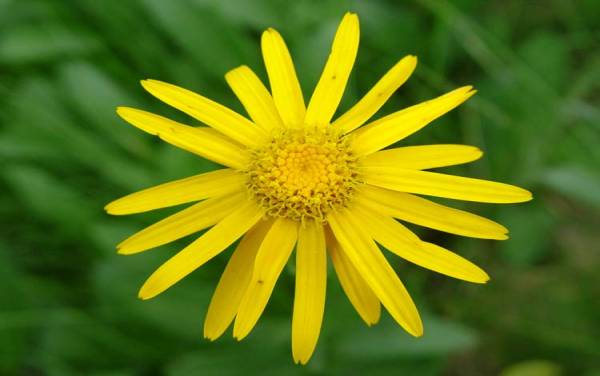
Health can be seen as a threshold. As people learn about using homeopathy, they often become more aware of how their lifestyle choices influence their wellbeing. Increased awareness and healthier choices—such as including prebiotic foods that support a balanced microbiome—help strengthen this health threshold and may prevent symptoms from appearing. Using a basic homeopathy first aid kit can also build confidence in managing family healthcare in a natural and supportive way.
Recently there has becomes an increased awareness of the long-term effects of pharmaceutical medications on human and planetary health. Many commonly used drugs such as Omeprazole and antidepressants (currently taken by 1 in 5 of the UK adult population) reduce our ability to absorb essential nutrients from our food and may have a negative effect on the gut microbiome. Scientific research increasingly recognises that a healthy, diverse microbiome plays a central role in overall health, and that a dysbiosis- an imbalance or alteration in the microbiome-is associated with the development of many chronic conditions.
In addition, pharmaceutical residues, sometimes referred to as “forever chemicals” are entering waterways, as current water treatment processes are not always able to fully remove them. Endocrine-active medications detected in rivers have also been shown to affect wildlife, raising broader environmental concerns,
This Integrative approach to health, using complementary homeopathic medicine and natural health choices to support our health threshold, helps us to minimise our requirement for these pharmaceutical medications.
Homeopathy is used as a first-line natural medical approach in many European countries and has millions of users worldwide, making it the the second largest system of medicine globally. It is valued as a practical tool to support health, protect the microbiome, enhancing wellbeing and resilience, and contributes to a more sustainable and healthier planet.
Combining traditional methods with new technologies, homeopathic doctors integrate these with conventional care, alongside a natural, healthy lifestyle. This is termed Integrative medicine. As one medical student remarked, “this is modern medicine!”.
Newsletter #1
What are the most significant developments in our understanding of the human body, in relation to healthcare, from the last few decades?
This is a question I have been pondering over.
I choose two.
Microbiome
Much like the soil, having a diverse range of bacteria, fungi and viruses in our gut, our microbiome, positively supports immune, nervous and hormonal systems.
- With diversity we have less inflammation, this being the precursor to most disease.
- 6% of UK adults have allergies (Food Standards Agency), a disrupted microbiome often part of this picture. Links now between allergy, inflammation and heart disease.
- While we need antibiotics, recent studies identify that antibiotics disrupt, not only the microbiome, but also cells responsible for mucous production in the intestinal wall.
- We understand that 80% of our immune system is based here and 90% of our serotonin produced here, that figure having increased from 80% within this year.
The importance of the microbiome in many conditions is a fast-growing area of knowledge. This new knowledge if applied to human care could make a significant difference to outcomes.
Neuroplasticity
This is the ability for the brain to lay down new grey matter pathways depending on our thought patterns. It is more “plastic” or changeable than we previously thought.
-
- Neuroscience- if we can “harness” our thoughts, reflect positively, rather than ruminate, we can build resilience.
- Being aware of thoughts, our behaviours, willingness to change, having the ability to adapt, we can become a healthier version of ourselves.
- The intricate interconnected nature of the autonomic nervous system and our thinking patterns enables us to use our breath to help rebalance when we are stressed
- By being aware of negative or harmful thoughts, we can, by using awareness and the breath, replace these with positive, self-affirming or reassuring thoughts, thus preventing us going “down a rabbit hole” of worry.
The more practiced, just like music, the more that positive and helpful grey matter connection can become the predominant path, leading to more happiness, less worry and an increased production of serotonin from a healthy microbiome.

Interestingly when we have fun, we create a protein that feeds cells called microglial or “gardener” cells. At night when we sleep these cells remove unused or old neurones and pathways enabling us to feel fresh on waking. By choosing positive thoughts and having fun, we enable an actual helpful physical connection to be laid down within the brain, long-term, without side effects.
Homeopathy
Thankfully homeopathy can help both!
- In the clinic we use homeopathic preparations of bowel bacteria, called Bowel nosodes to improve the microbiome. Resultant long lasting positive changes in bowel habit, when patients have struggled for years, are much appreciated. This change further manifests in patients’ symptom reduction-a diverse flora leading to less inflammation and a healthier communication between the gut with the nervous and hormonal system.
- As for neuroplasticity, homeopathy’s benefits are partly due a change in perception. We understand that this is possible as the nanoparticles (super clever medicine!) can cross the blood brain barrier. This can be an explanation for the impressive clinical improvements seen in clinic.
Others reply, describing difficulty in “accessing” their anxiety or low mood.
Note: This scientific knowledge enables recovery without the reduction of absorption of nutrients from our gut, occurring with commonly used pharmaceuticals (eg ibuprofen, antidepressants), this perhaps, contributing to increases in chronic conditions, such as osteoporosis etc.
The effects of pharmaceutical drugs passing into our water systems reveals increased antibiotic resistance in fish. More research required for humans.
Microbiome-Homeopathy-Neuroplasticity
Favoured by 11 US presidents, generations of Royals, stars such as Usain Bolt and David Beckham, and knowing more about human and planetary health than ever before, homeopathy meets the call for a sustainable and holistic approach to health.
What information would you like to see in #2 Newsletter? Get in touch, and any questions please let me know.
With Kindest regards,
Jennifer
Dr Jennifer Sudder
Bell, I., 2012. Homeopathy as systemic adaptational nanomedicine: the nanoparticle-cross-adaptation-sensitization model. American Journal of Homeopathic Medicine, 105(3), p.116.
Social Prescribing
Have we done our patients a mis-service? For years, encouraged by training for Royal College of General Practitioner exams, we have said to patients, “If it doesn’t get better do come back and see me.” And so we encourage a dependence on the physician to cure all ills.
Lifestyle factors can cause as much as 90% of chronic disease (Pulse 20/10/17). With many patients on a cocktail of medications for the linked chronic conditions of hypertension/ diabetes/ lower back pain, the list goes on, as does patients’ dependence on the physician to help reverse their “numbers” and so reduce their risk of further disease. Are we right to keep prescribing rather than encourage the patient to look to themselves for answers? Some would argue not everyone has the privilege of time to do this, others would emphasise how we spend our spare time has a significant effect on our health in our working lives and beyond. Social prescribing offers individuals help to positively improve on these lifestyle factors.
Social prescribing has stood in the wings for some time, with other countries leading the fore (1). As more doctors are aware of the polypharmacy load having a negative effect on our patients lives fewer are aware that the pharmaceutical drugs we take, when excreted into our wastewater treatment plants, cannot be removed. As these pharmaceuticals cannot be extracted, they are then drunk in our “clean water” throughout the nation, with the effects far from known. Living in the north of Scotland I thought our water must be fantastic, but discovered it contains five different oestrogens, seven anti-microbials, as well as a host of paracetamol, diclofenac, carbamazepine etc! (2) Argh! Seeing the benefits patients gain from homeopathic medicines makes me concerned what these small amounts of constantly imbibed drugs may be doing in the wonderful ecological balance of the human body, and within the other animals with whom we coexist on this planet.
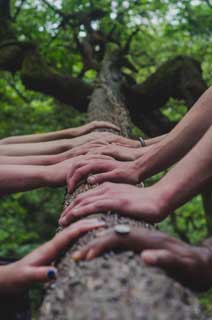
By social prescribing we are empowering our patients to reduce their lifelong risk of chronic illness and also reducing the contribution of the pharmaceutical load to humans and those around us. Loneliness is a recognised risk factor for chronic disease and there is no pill for this. Yet encouraging a tentative joining of a walking group can help this, as well as bring the multiple other health benefits from the exercise itself.
In our homeopathic consultations we are understanding our patients fears and expectations, what they consider achievable and what they feel is not. I find this to be a perfect environment to broach lifestyle measures. Not only does the patient feel empowered to have something they can positively “do” to improve their health, when the benefits of the remedies start to appear it feels easier and even more achievable, cementing in place a sustainable and positive change to enjoy for years to come. I think it’s important not to assume what the patient will enjoy, let them lead you there, as I have been surprised over the years, quiet ladies loving Zumba and body conscious individuals loving swimming.
Nutrition is on more people’s agenda than ever before, is that due to Tiktok or a post lockdown effect? Enabling a patient to identify a change in their eating patterns, that’s not too huge, with the knowledge of how the body supports this, eg taste buds’ renewal so sweet things can then taste too sweet, helps individuals to make lifelong changes to their eating habits. Then as the homeopathic remedies work their fantastic effects this further embeds a lifelong beneficial change.
One factor that is often discussed in General Practice is that this takes time. Yes, it is quicker to write a prescription. My impression is, however, that patients are no longer satisfied by this “sticking plaster” approach, as a patient referred to it just yesterday. Rates of non-adherence to medications vary, with 50% being an average from varying sources. Wouldn’t it be better if we enabled patients to feel in charge of their health so they would adhere to advice, as it came from them?
With the rise in social prescribing from advice on local walking or knitting groups to time in the “green gym” if we are to encourage our patients to comply then we need to learn from them what are sustainable and achievable goals. Our knowledge as clinicians, understanding our patients, can enable these changes to come to fruition. When the benefits start to reveal themselves and they know they have achieved this themselves, then we are empowering our patients, away from chronic disease, away from pollution, away from an overworked NHS, towards better long-term health, and side effect free.
‘Lifestyle medicine’ could revolutionise patient care
(1) Lee, H., Koh, S.B., Jo, H.S., Lee, T.H., Nam, H.K., Zhao, B., Lim, S., Lim, J.A., Lee, H.H., Hwang, Y.S. and Kim, D.H., 2023. Global Trends in Social Prescribing: Web-Based Crawling Approach. Journal of Medical Internet Research, 25, p.e46537.
(2) Niemi, L., Landová, P., Taggart, M., Boyd, K., Zhang, Z. and Gibb, S., 2022. Spatiotemporal trends and annual fluxes of pharmaceuticals in a Scottish priority catchment. Environmental Pollution, 292, p.118295.
Antimicrobial resistance in Scotland’s waters
Spatiotemporal trends and annual fluxes of pharmaceuticals in a Scottish priority catchment
Nature & Health
In the work I do I often find that, no matter whether the presenting problem is a mental health issue or a gut problem, sleep is often affected in one way or another. When this is remedied, it doesn’t just improve the symptom- it improves general well wellbeing, energy levels & calmness.
Often the “microbiome”,(the collection of thousands of bacterial cells in the gut) has become out of balance- from stress, antibiotic use or an unhealthy diet & this “dysbiosis” can lead to allergies, gut dysfunction & a reduction in mental health. This occurs through its communication with the brain via the nervous & endocrine (hormonal) systems.
But this isn’t a doom & gloom story. The solution is all around us.
We are a nation living on a beautiful island with oceans & birds & stories beneath its waves, as well as trees, grass & flowers, if we can reconnect with nature we can help ourselves.
Through the ages going for a “constitutional” after eating a meal was considered the right thing to do. Taking time away from work on a Sunday to relax with family groups or to be creative was the norm. These activities encourage the balance of the SNS with its more calming counterpart the Parasympathetic Nervous System (PNS).
Nature at work in the human body
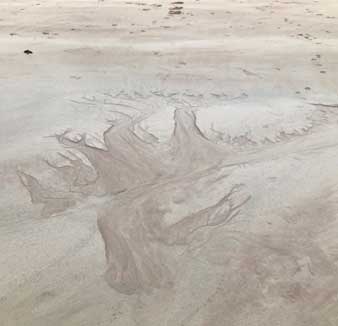
There are lots of reasons we feel better when we spend time in nature. The rhythms & patterns in plants, ice crystals & waves have a soothing affect on our brains. These are known as fractal patterns- repeating smaller & smaller copies of themselves which are familiar, soothing & mesmerising. The phytoncides (chemicals secreted by trees & plants ) reduce the stress hormones we secrete- rreducing our blood pressure & improving our immune system thanks in part to an increase in “natural killer” cells. The outcome of this is a reduction in SNS activity- boosting the PNS & leaving us feeling more comfortable & relaxed.The immune system benefits are many & varied.
It’s also thought that, when walking in a forest, we breathe in a harmless & common bacteria called “mycobacterium vaccae”, which has been found to improve energy & cognition, reduce anxiety & increase our ability to see concerns in a more positive light. Neuroscientists have discovered this can boost our serotonin-aka our happy hormone-levels & that our problem solving abilities can increase by as much as 50%.
1 in 10 of the cells in our brain (called Microglial cells) were previously thought to be inert, but we now realise they act like “gardeners’ in our brain when we are sleeping- clearing up debris from the daytime’s brain activity, leaving us feeling refreshed after their night’s work & our night’s sleep.
While fun & creativity boost the protein BDNF, (brain derived neurotrophic factor) that feeds these cells, mycobacterium vaccae also activates these cells- reducing inflammation & boosting the serotonin supply to parts of the brain such as the prefrontal cortex & the hippocampus.
Contrary to this, the “stress” hormone cortisol has damaging effects over long periods of time on the immune system. Cortisol is thought to reduce the production of BDNF that feeds these cells, as well as down-regulating protective immune responses, thereby helping to explain why during stress, an overactive SNS, is toxic to the brain.
Low levels of BDNF have also been associated with depression. “Green” exercise (exercising outdoors) has been shown to be even more effective at lowering stress levels & improving mood & self-esteem than going to the gym.
The smell of wet earth, known as “geosmin”, is released through active bacteria called actinomycetes in the soil. This smell is detected through our olfactory centre & is soothing & pleasing for us. Perhaps it is through these mechanisms that those who exercise outdoors have been shown to have a healthier microbiome. In turn various studies have shown that metabolites from these “healthier” bacteria activate the vagus nerve ( part of the PNS), as well as communicate with the Microglial cells.
The benefits of swimming in cold water have become increasingly popular during lockdown. Neuroscientists have identified increased levels (250%) of dopamine -giving us feelings of pleasure & reward- as well as serotonin, improving our mood & easing tension. There are bountiful stories of people easing both mental & physical health concerns by carefully & respectfully engaging with the water.
Nature at work in our communities
On a wider scale “greening up” our urban areas has been associated with a reduction in violent crimes in these areas, as well as improved mental health in those living there. It’s understood that veterans suffering from PTSD (Post Traumatic Stress Disorder) can benefit significantly by therapy involving access to nature, for example. And studies show that enabling unintentional daily contact with nature, especially in deprived areas, reduces the probability of being prescribed antidepressants. Studies are now being undertaken to ascertain the most beneficial planting schemes. It appears that a diversity of species- planted more densely- can be most advantageous, with the awareness that evergreens produce more phytoncides than deciduous species.
Nature going forward
The magnitude of this impact on individual & community health crosses boundaries between medicine, arboriculture, social services & town planning. Enabling & encouraging access to nature has never been more important. As many as 90% of chronic health problems are thought to be associated with lifestyle choices, which alongside the crippling effect of the pandemic on the NHS, makes this a good time to act.
Much like the interconnectedness of systems within the body, a collaborative & integrated approach, between well informed professionals from different perspectives, could enable this potential, utilising, prioritising & protecting nature.
Dr Jennifer A Sudder
MBChB, MRCGP, Dffp, Dip Nutr Med, MFHom.
Promoting Health-the natural way
www.promoting-health.co.uk
1. Dhabhar, F.S., (2014), Effects of stress on immune function: the good, the bad, and the beautiful, Immunologic research, Springer.
2. Hagerhall, C.M., Laike, T., Taylor, R.P., Kuller, M.,(2008), Investigations of human EEG response to viewing Fractal patterns, Journal of Applied Physiology 80 (5),1448-1457, 1996.
3. Marselle, M.R. , Bowler, D>E., Watzema,J., Eichenberg,D., Kirsten, T. & Bonn,A., (2020) Urban street tree biodiversity and antidepressant prescriptions, Nature research, Scientific reports.
4. Panja, A., (2017,October, 17). “Lifestyle Medicine” could revolutionise patient care. Pulse.
5. Qing Li, D. (2018), Shinrin-Yoku: The Art & Science of Forest Bathing, How Trees can help you find Health & Happiness, Penguin Life.
6. Stuart-Smith, S. (2020), The Well Gardened Mind: Rediscovering Nature in the Modern World, William Collins.
Supporting the community surge in cold water swimming during lockdown
(Originally published in D and D Newsletter Issue 104 December 2021)
Vitamin Dee..
As I stepped slowly into the cold water I felt it bite… taking control of my breath I allowed my body to calm so I could carefully submerge myself…. slow, deep, breathing… in a moment or two the familiar feeling of being enveloped in the cold water made me smile…
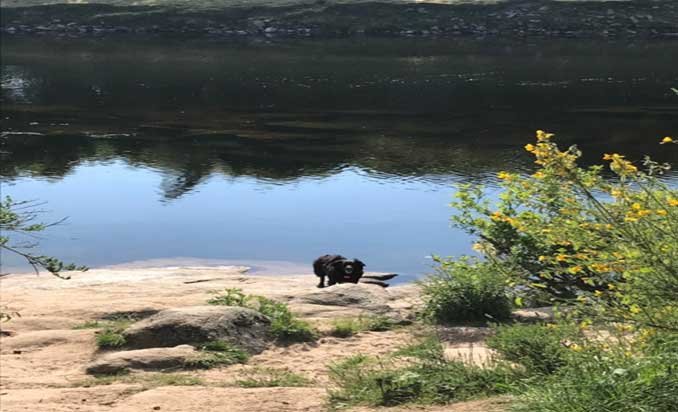
Cold water swimming has had something of a revolution in lockdown. While needing to be undertaken safely with respect for the power of nature & our own vulnerabilities, the benefits are becoming increasingly recognised.
Dating back hundreds of years “sea-therapy” with bathing huts is well documented. The healing effects of “blue-spaces” are less well known. In this fast world we live in it’s easy to let the “fight or flight’ (or Sympathetic Nervous System-SNS) response become overactive. Studies have shown that being able to harness our breathing in scenarios which “stress” the body… such as cold water swimming… help us to remain calm in other situations & is common to the benefits of yoga, mindfulness & hypnotherapy, boosting the opposite of the SNS, the Parasympathetic Nervous System, allowing us to relax.
The cold water itself appears to have many benefits. A “cold-shock” protein has been identified in the blood of regular cold-water swimmers at the University of Cambridge, thought to slow the onset of dementia. The mood boosting effects are well documented with neuroscientists identifying increased levels (250%) of dopamine -giving us feelings of pleasure & reward- as well as serotonin, improving our mood & easing tension. Other seen to benefit are those with difficult menopausal symptoms as well as joint pains, including those with long-Covid. The bottom line is that after a cold water swim you feel pretty good!
However, as with any sport in the great outdoors, it has to be undertaken carefully. Hypothermia & Swimming induced pulmonary oedema are amongst the risks, even in those well adapted to the cold. For this reason those who swim through winter do so in groups, taking responsibility for themselves, ensuring their whereabouts are known, not under the influence of alcohol or jumping in but thinking of entry & exit points, river speed & turbulence, before entering the water. Ensuring visibility in the water, considering a bright swim hat or tow-float & having warm, dry clothes to change into quickly afterwards are important. Of course, you should seek medical advice if you have health concerns before entering the water. Some who take to the water are stronger swimmers, preferring a longer swim in wetsuits, others preferring a wee “dook” to brighten the day. Remaining aware of individual limits is crucial & that every swim is different, depending on how you are feeling that day, water & air temperature etc. This is vitally important to avoid feeling very uncomfortable afterwards. There are many local wild water swimming groups on-line happy to accept new members. Check out www.visitscotland.com, www.rnli.org, www.wildswimming.co.uk, Cold Water Swimming Webinar with Prof Mike Tipton & Dr Heather Massey (Jan 2021) for more information.
There are obviously benefits being amongst the beauty of nature, out of the water. When people are feeling low or anxious it’s common to ruminate on negative thoughts. One study has shown that just looking at awe inspiring views activates areas of the nervous system which control relaxation. Cognitively this gives the brain a “rest” & feels restorative. Spending time in beautiful places creates a sense of wonder, with a growing body of research suggesting significant effects on mental & physical health. When you do find yourself struck by an incredible view, take a few moments to allow it all to sink in, the constancy & vastness can feel comforting.
Rhythms & patterns in plants, ice crystals & trees have a soothing effect on our brains. These are known as fractal patterns- repeating smaller & smaller copies of themselves which are familiar, soothing & mesmerising. The phytoncides (chemicals secreted by trees & plants) reduce the stress hormones we secrete- reducing our blood pressure & improving our immune system, thanks in part to an increase in “natural killer” cells. The outcome of this is a reduction in “fight or flight” activity- calming the nervous system, leaving us feeling calmer & more relaxed.
So, whether we want to just look & enjoy, allowing our minds to settle & become more mindful, or want to join with others in safely enjoying the cold water suffice it to say we are lucky in Deeside having these options available with Vitamin Dee on our doorstep.
Dr Jennifer Sudder
www.promoting-health.co.uk
How the rhythms and patterns of nature can be the key to calm
(Originally published on Good Health Magazine on May 17, 2021)

Banchory’s leading integrated medical practitioner Dr Jennifer Sudder explains how spending time in nature soothes the sympathetic nervous system and can be the key to calm and general wellbeing in a busy world
In the fast world we live in; with a constant barrage of emails, messages, and media alerts, it’s easy to let our “fight or flight’ response – otherwise known as our Sympathetic Nervous System (SNS) – become overactive.
This can leave us feeling on edge – affecting our ability to focus, feel calm, remember facts and, critically, sleep well.
In the work I do, I often find that no matter whether the presenting problem is a mental health or gut issue, sleep is affected in one way or another. When this is remedied, it doesn’t just improve the symptom – it improves general wellbeing, energy levels and calmness.
Often, the “microbiome” (the collection of thousands of bacterial cells in the gut) has become out of balance – from stress, antibiotic use or an unhealthy diet – and this “dysbiosis” can lead to allergies, gut dysfunction and a reduction in mental health.
But this isn’t a doom and gloom story. The solution is all around us.
We are a nation living on a beautiful island, with oceans and birds and stories beneath its waves, as well as trees, grass and flowers. If we can reconnect with nature, we can help ourselves.
Through the ages, going for a “constitutional” after eating a meal was considered the right thing to do. Taking time away from work on a Sunday to relax with family groups or to be creative was the norm.
These activities encourage the balance of the SNS with its more calming counterpart, the Parasympathetic Nervous System (PNS).
There are lots of reasons we feel better when we spend time in nature. The rhythms and patterns in plants, ice crystals and waves have a soothing effect on our brains. These are known as fractal patterns – repeating smaller and smaller copies of themselves, which are familiar, soothing and mesmerising.
The phytoncides (chemicals secreted by trees and plants) reduce the stress hormones we secrete – reducing our blood pressure and improving our immune systems thanks, in part, to an increase in ‘natural killer’ cells.
The outcome of this is a reduction in SNS activity – boosting the PNS and leaving us feeling more comfortable and relaxed. The benefits to our immune system are wide and varied.
It’s also thought that, when walking in a forest, we breathe in a harmless, common bacteria called ‘mycobacterium vaccae’, which has been found to help improve energy and cognition, reduce anxiety and increase our ability to see concerns in a more positive light.
Neuroscientists have discovered this can boost our serotonin – aka our happy hormone – levels and that our problem-solving abilities can increase by as much as 50%.
One in 10 of the cells in our brain (called microglial cells) were previously thought to be inert, but we now realise they act like “gardeners’ in our brain when we are sleeping – clearing up debris from the daytime’s brain activity, leaving us feeling refreshed after their night’s work and our night’s sleep.
While fun and creativity boost the protein BDNF (brain derived neurotrophic factor) that feeds these cells, mycobacterium vaccae also activates these cells – reducing inflammation and boosting the serotonin supply to parts of the brain called the prefrontal cortex and the hippocampus.
Contrary to this, the “stress” hormone cortisol has damaging effects over long periods of time on the immune system. Cortisol is also thought to reduce the production of BDNF that feeds these cells, thereby helping to explain why during stress, an overactive SNS, is toxic to the brain.
Low levels of BDNF have also recently been associated with depression. ‘Green’ exercise (exercising outdoors) has been shown to be more effective at lowering stress levels and improving mood and self-esteem than going to the gym.
The smell of wet earth, known as ‘geosmin’, is released through active bacteria called actinomycetes in the soil. This smell is detected through our olfactory centre and is soothing and pleasing for us.
Perhaps it’s through these mechanisms that those who exercise outdoors have been shown to have a healthier microbiome. In turn, various studies have shown that metabolites from these “healthier” bacteria activate the vagus nerve (part of the PNS), as well as communicate with the microglial cells.
The benefits of swimming in cold water have become increasingly popular during lockdown. Neuroscientists have identified increased levels (250%) of dopamine –giving us feelings of pleasure and reward – as well as serotonin, improving our mood and easing tension.
There are bountiful stories of people easing both mental and physical health concerns by carefully and respectfully engaging with the water.
If we get the basics right, the benefits are multitude from our guts to our brains. On a wider scale, ‘greening up’ our urban areas has been associated with a reduction in violent crimes in these areas, as well as improved mental health in those living there.
It’s understood that veterans suffering from PTSD (post-traumatic stress disorder) can benefit significantly by therapy involving access to nature, for example. And studies show that enabling unintentional daily contact with nature, especially in deprived areas, reduces the probability of being prescribed antidepressants.
It’s now recognised that as much as 90% of chronic health problems are associated with lifestyle choices. I hope that we, as the medical profession, can match this with a more nature-based approach to health.